





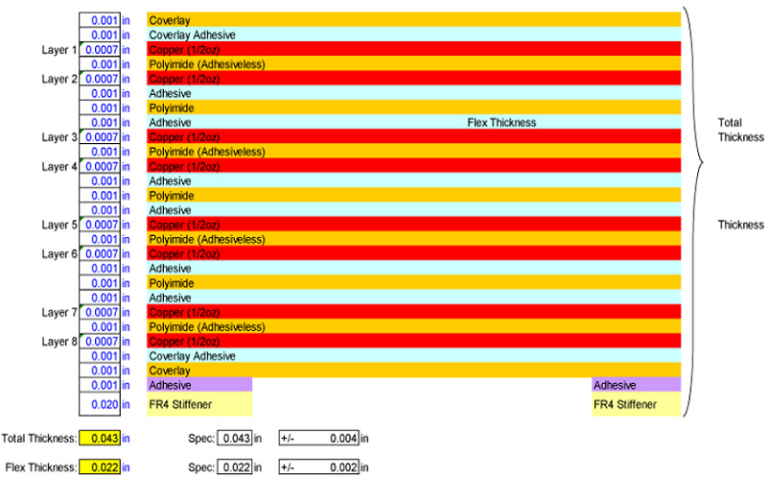
Flexible PCB Layer Stackup: Complete Design Guide
Flexible PCB layer stackup design requires precise material selection, symmetric layer arrangement, and strict adherence to IPC-2223 and IPC-6012 standards…

Flexible PCB layer stackup design requires precise material selection, symmetric layer arrangement, and strict adherence to IPC-2223 and IPC-6012 standards…
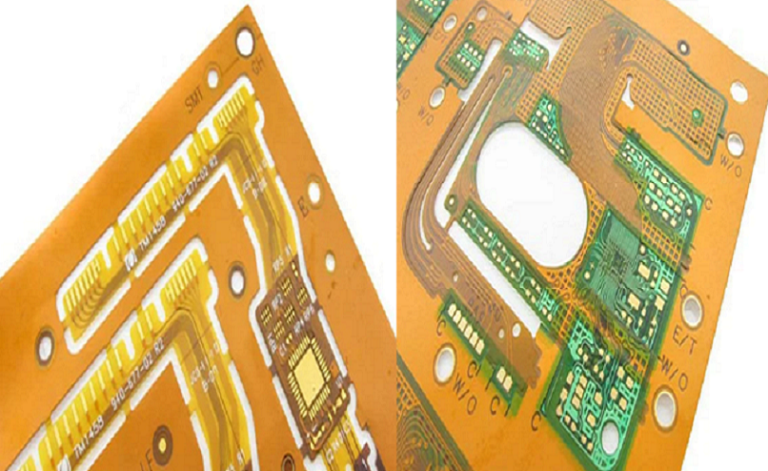
For flexible printed circuit and rigid flex PCB designs, coverlay (polyimide film with adhesive) delivers superior mechanical flexibility and environmental…
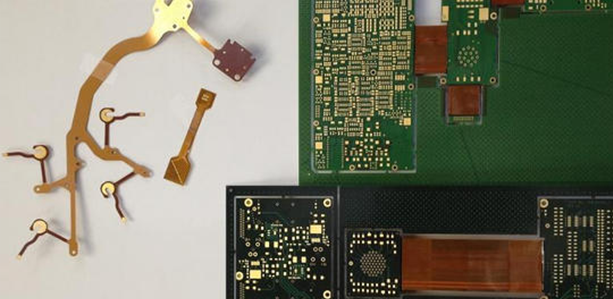
Rigid-flex PCB manufacturing integrates flexible printed circuit and rigid board production into a unified, precision-driven sequence that combines polyimide flex…
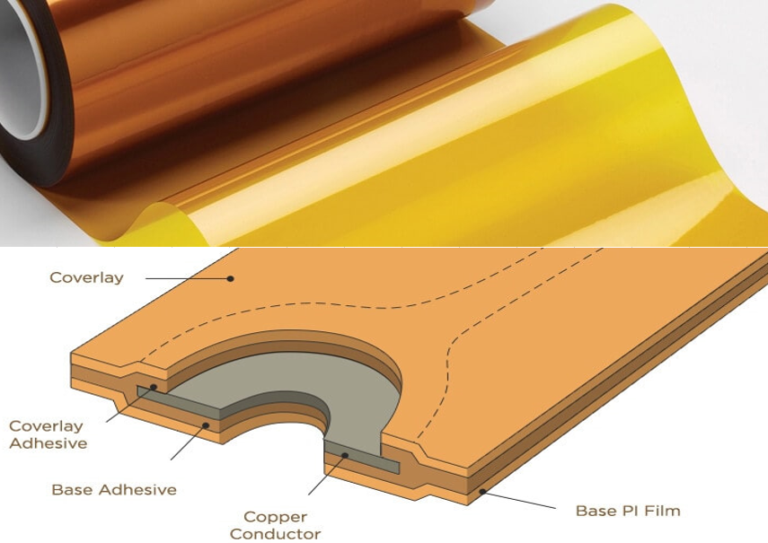
A flexible PCB relies on engineered substrate, conductor, and protective materials to enable bending, miniaturization, and reliable electrical performance. This…
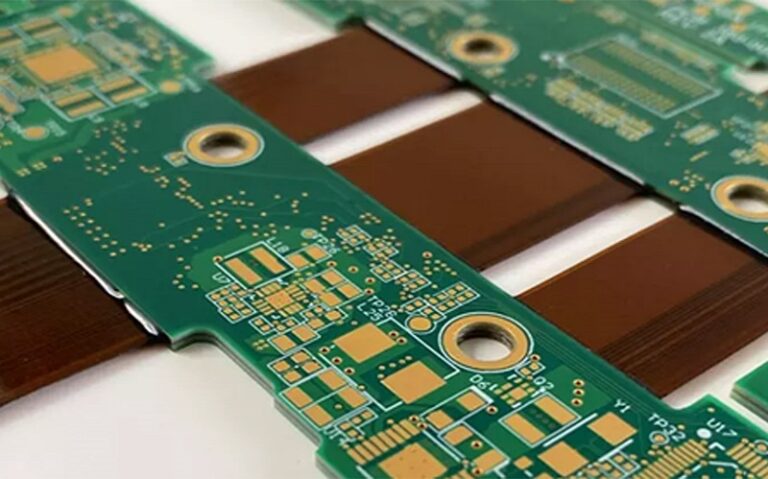
A rigid-flex PCB is an integrated circuit structure that combines rigid FR‑4 sections for component mounting and flexible polyimide regions…
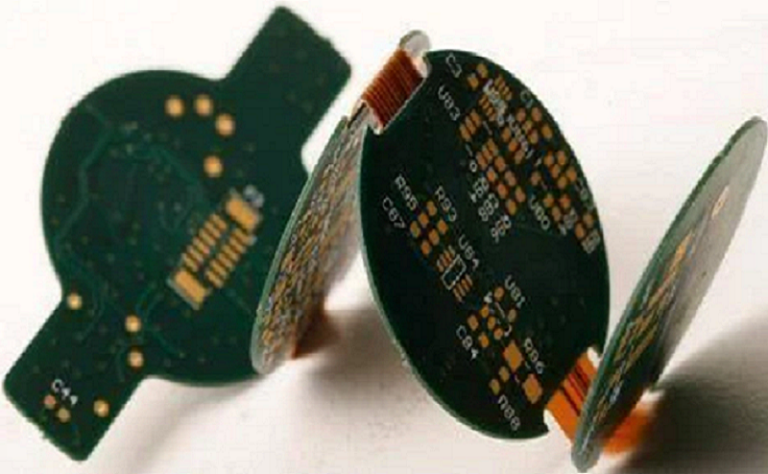
A rigid-flex PCB (rigid-flex circuit board) is a hybrid interconnect technology integrating rigid PCB sections (structural stability) and flexible PCB…
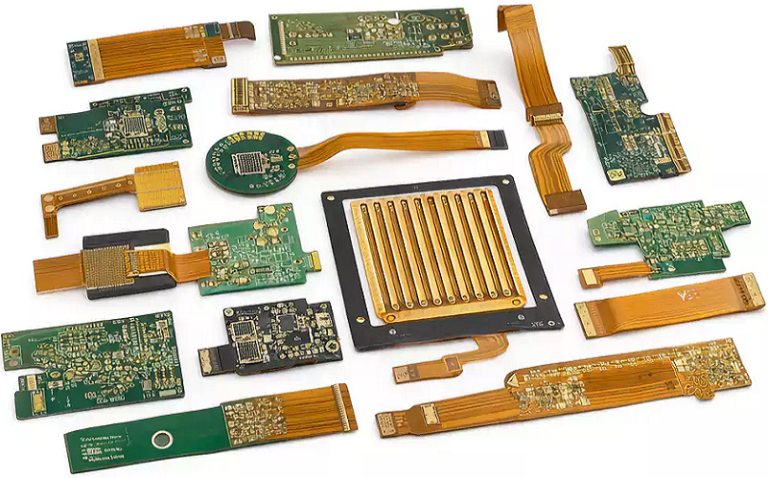
Flexible PCB (FPC), rigid PCB, and rigid-flex PCB represent the three primary interconnect technologies in modern electronics. Rigid PCBs use…
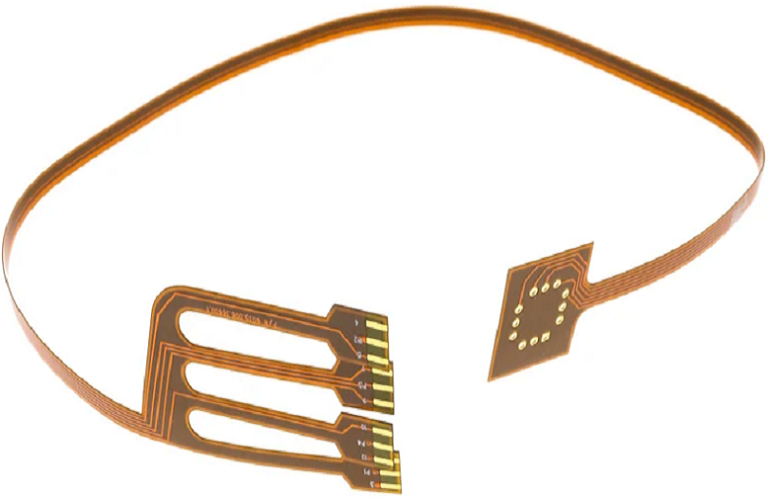
A flexible circuit board (FPC), also known as a flexible printed circuit board or bendable circuit board, is a thin,…
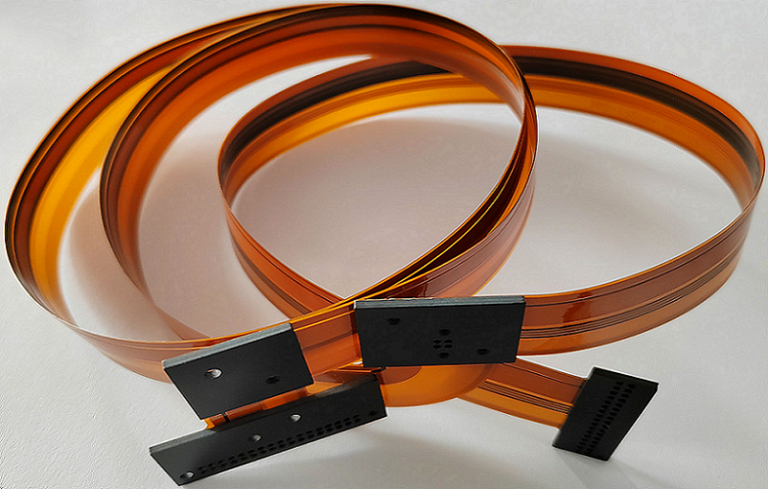
A flexible printed circuit board is a lightweight, bendable interconnect system built on flexible polymer dielectrics, designed to support static…