





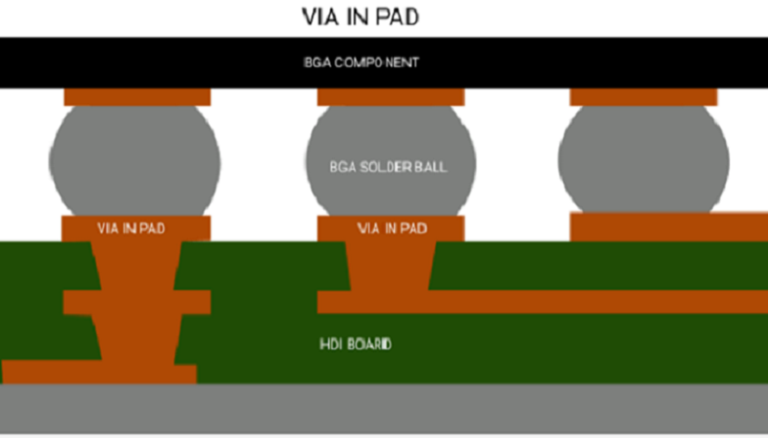
Via-in-Pad HDI PCB Guide
Via-in-Pad HDI PCB design places a via directly inside a component pad to save routing space, shorten signal paths, improve…

Via-in-Pad HDI PCB design places a via directly inside a component pad to save routing space, shorten signal paths, improve…
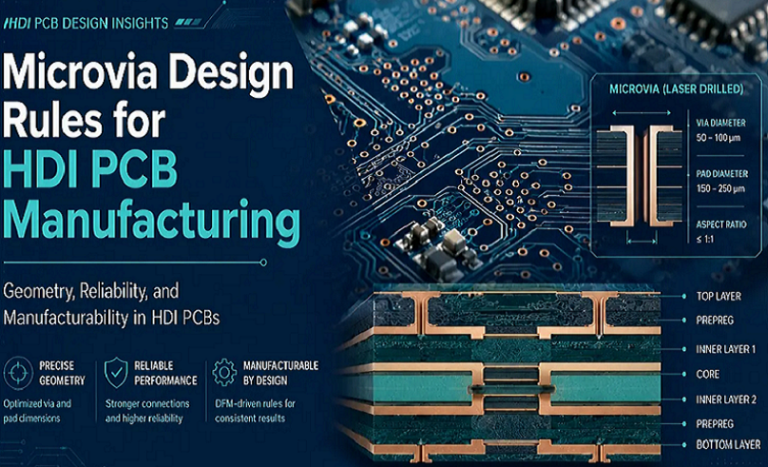
Microvia PCB design rules define how laser-drilled blind vias should be sized, placed, stacked, staggered, plated, inspected, and matched to…
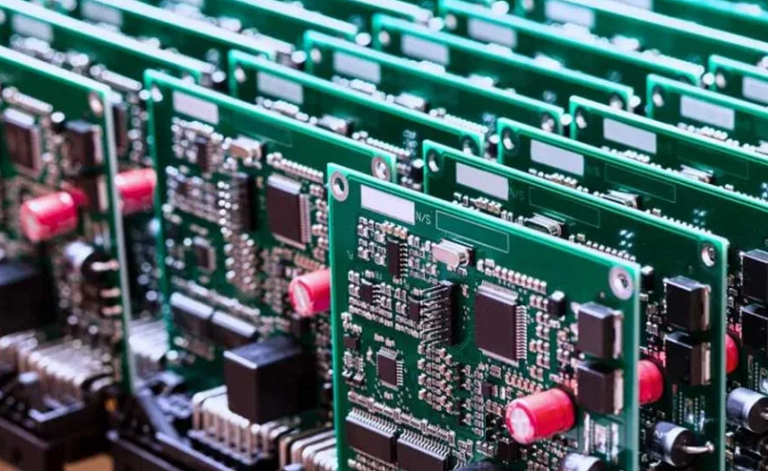
Turnkey PCB Assembly is a complete manufacturing service in which one supplier manages design review, component sourcing, PCB fabrication, printed…

PCB assembly services convert a bare printed circuit board into a tested PCBA by combining solder paste printing, component placement,…
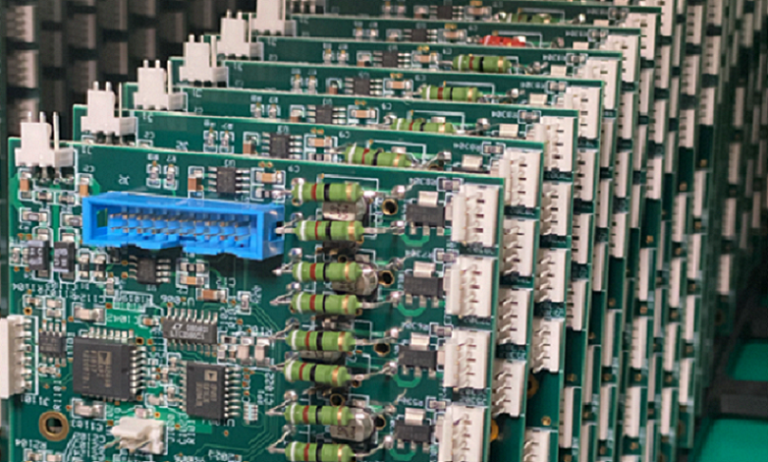
PCB assembly is the manufacturing process that turns a bare printed circuit board into a functional electronic assembly by applying…
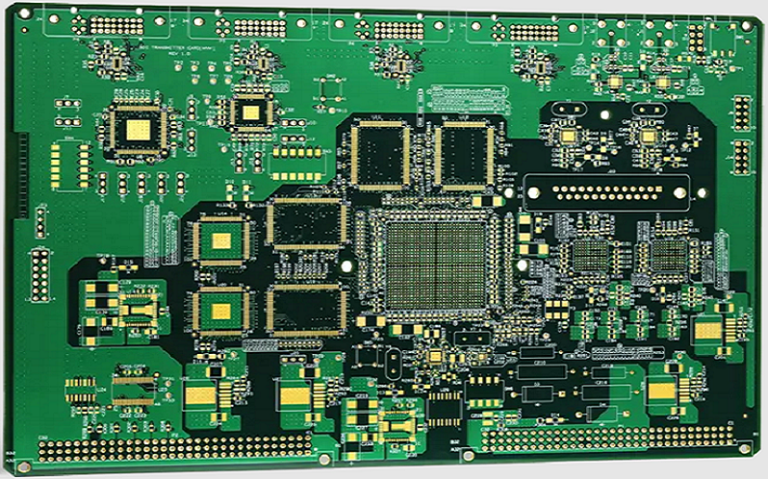
HDI PCB fabrication capabilities define what a factory can repeatedly manufacture across trace width, spacing, laser microvias, via-in-pad, sequential build-up,…
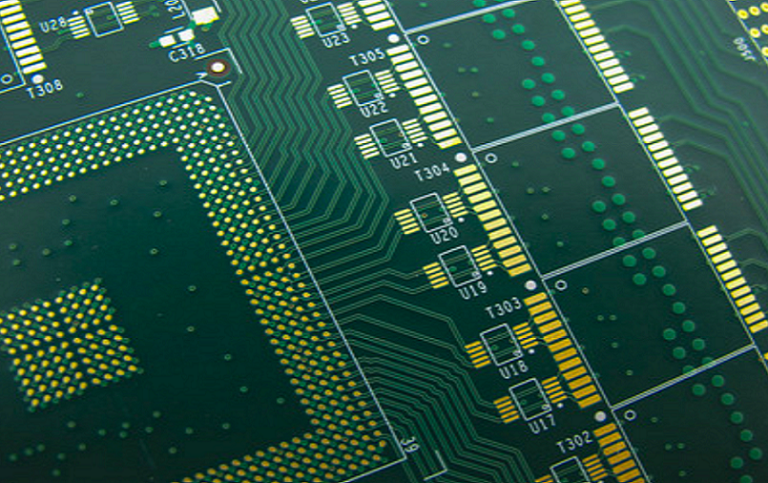
HDI PCB prototype services turn dense PCB designs into testable boards by validating microvias, via-in-pad, sequential lamination, fine-pitch routing, stackup…
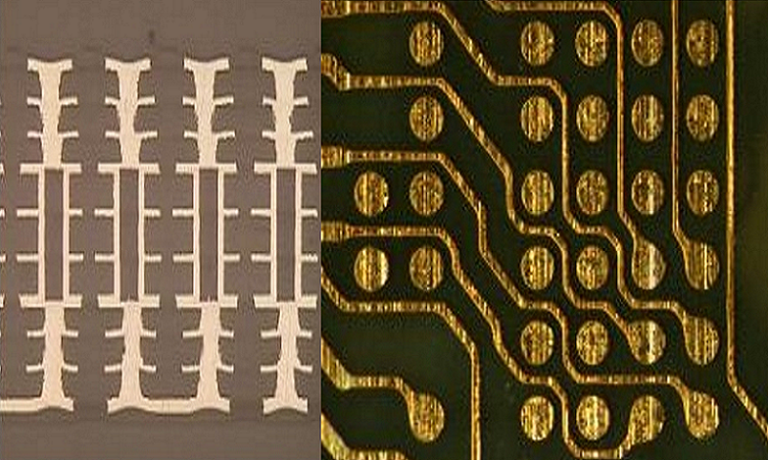
HDI PCB for fine-pitch BGA is required when BGA ball pitch, package size, escape routing density, and assembly yield exceed…
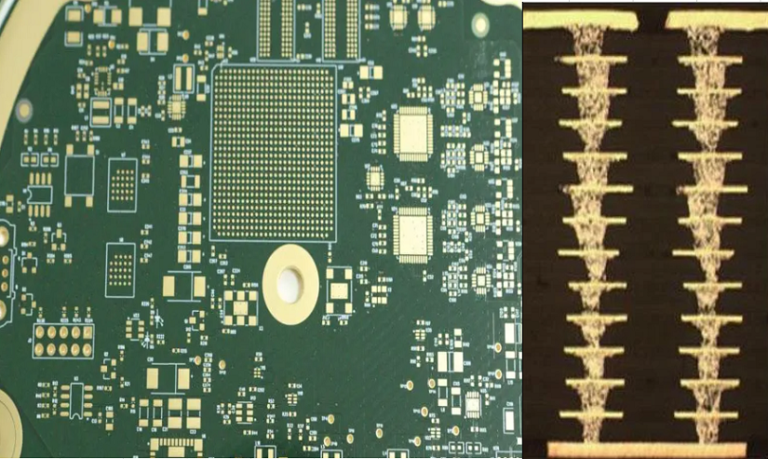
HDI PCB stackup design defines how signal layers, power planes, ground planes, buildup dielectrics, microvias, buried vias, via-in-pad structures, and…